

Why Eczema Gets Worse at Night (And What’s Actually Happening)
If your child’s eczema seems to worsen at night, you’re not imagining it. Many parents notice that evenings are when the itching intensifies, sleep becomes more difficult, and flare-ups feel hardest to manage. It can be frustrating—especially when you’re doing everything “right” during the day.
What’s happening isn’t a failure of your routine. It’s physiology.
As the body moves into its nighttime rhythm, several internal shifts begin to take place. Cortisol, one of the body’s natural anti-inflammatory hormones, drops in the evening. During the day, cortisol helps keep inflammation more regulated. At night, with those levels lower, the skin has less support in calming inflammatory responses, which can make eczema feel more active.
At the same time, the skin itself becomes more vulnerable. Overnight, the skin loses more water through a process known as transepidermal water loss. Even well-moisturized skin can become drier during these hours, which contributes to that familiar increase in itchiness after bedtime.
Temperature also plays a role. Core body temperature naturally shifts in the evening as part of the sleep cycle, and skin temperature can rise. For eczema-prone skin, even a slight increase in warmth can intensify the itch sensation. This is why overheating—whether from sleepwear, blankets, or room temperature—can quietly make nighttime symptoms worse.
There’s also a neurological component. During the day, children are distracted—playing, moving, engaging with the world. At night, when everything slows down, the nervous system becomes more aware of physical sensations. The itch doesn’t necessarily become stronger, but it becomes more noticeable, harder to ignore, and more disruptive to sleep.
This is also why antihistamines don’t always provide relief. While histamine can play a role in some types of itching, eczema-related itch is not primarily driven by histamine pathways. Instead, it’s a combination of skin barrier disruption, inflammation, and nerve signaling—especially pronounced during the night.
Understanding these rhythms can shift how we approach support. Rather than chasing symptoms, the goal becomes working with the body’s natural patterns.
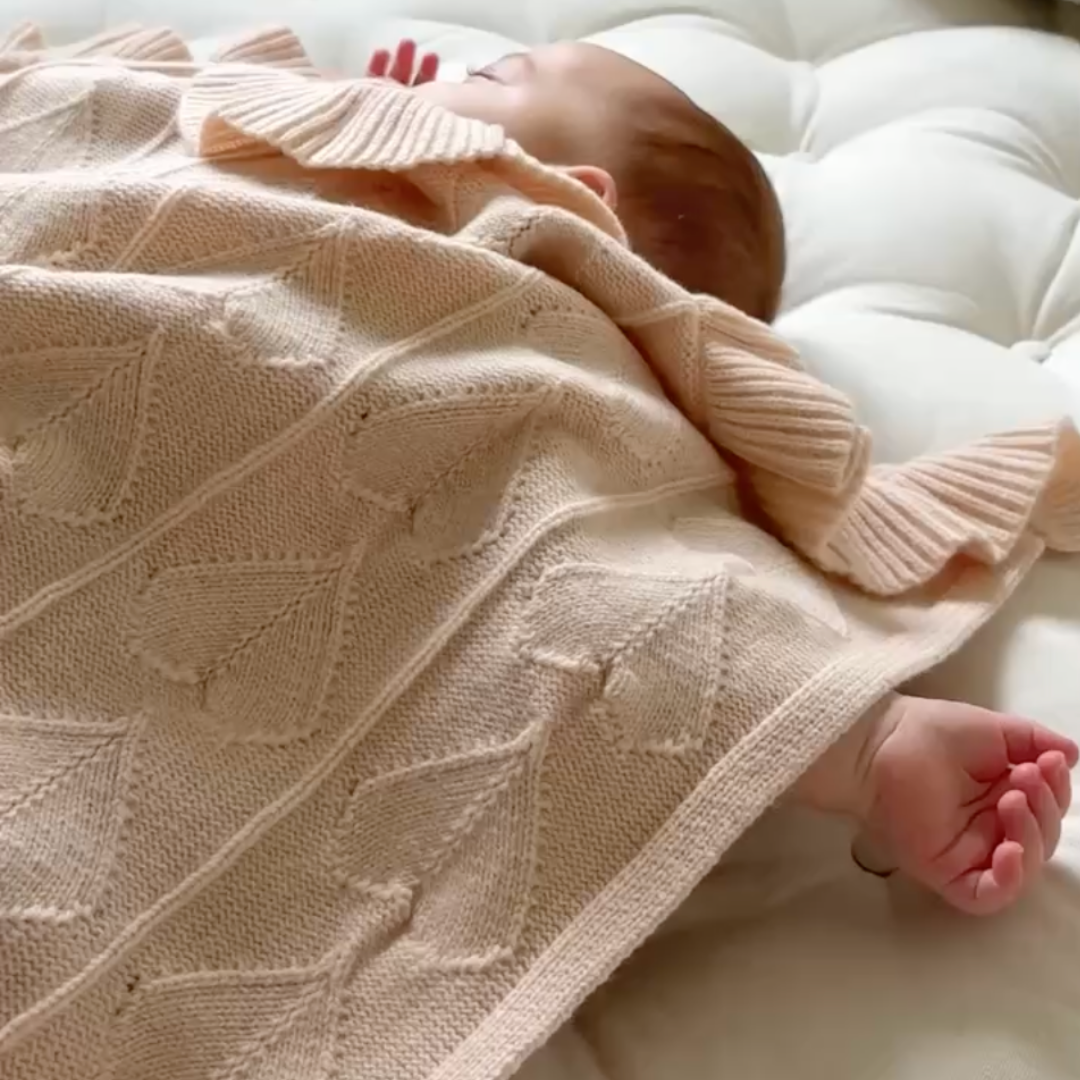
Supporting the skin before bedtime can help offset some of the overnight water loss. Keeping the sleep environment cool and breathable can reduce heat-related itching. And because skin remains in constant contact with fabrics for 10–12 hours overnight, the materials touching the skin matter more than most people realize. Breathable, temperature-regulating fibers can help minimize overheating and reduce friction on already sensitive skin.
There isn’t a single overnight fix, and that’s important to acknowledge. But small, thoughtful adjustments—made with an understanding of what’s happening beneath the surface—can make nights feel more manageable over time.
If you’re in a season where evenings feel especially long, you’re not alone. There’s a reason it feels harder at night, and there are ways to support your child through it—gently, consistently, and without the pressure of perfection.


Comments