

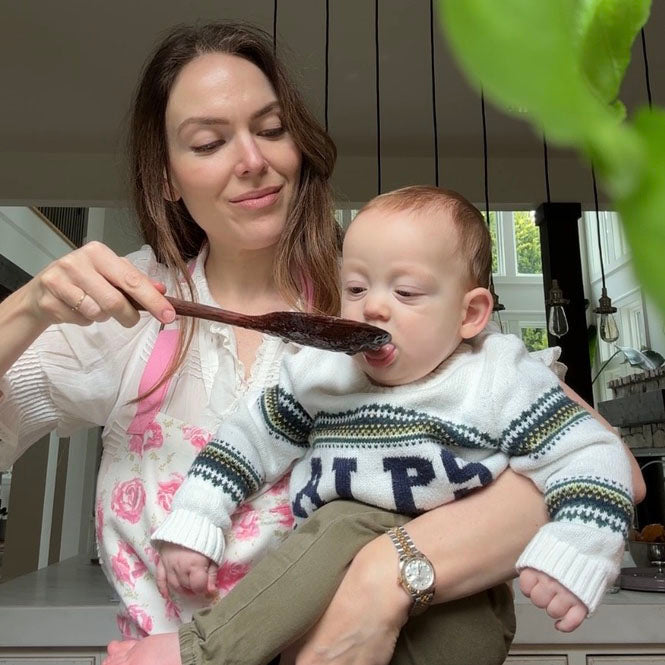
Traditional First Foods for Baby: A Nourishing Approach to Baby-Led Weaning
When we began introducing solids, we wanted to focus on foods that truly nourish a growing baby. Instead of relying on packaged baby foods, we took a simple approach: feed baby what the family eats, with an emphasis on nutrient-dense, traditional foods.
Many cultures around the world have long introduced babies to foods like egg yolks, bone broth, fish, and organ meats. These foods are naturally rich in the nutrients babies need most during early development. Today, many parents are rediscovering these ancestral first foods as part of a baby-led weaning approach.
Why the First 1000 Days Matter
The period from pregnancy through a child’s second birthday—often called the first 1000 days—is one of the most important windows for growth and development. During this time, babies need especially high levels of nutrients that support:
Brain development
Immune function
Healthy growth
Metabolism
Taste preferences
Many of these nutrients, including iron, DHA, choline, zinc, collagen, and fat-soluble vitamins are found in abundance in traditional whole foods. Introducing babies to these foods early can help support development while also helping them become comfortable with a wide range of flavors.
Traditional First Foods We Incorporate
When practicing baby-led weaning, we simply modify family meals so they are safe and easy for baby to eat. Here are some of the nutrient-dense foods we regularly incorporate.
Egg Yolks
Egg yolks are often one of the first foods recommended in traditional diets because they contain nutrients essential for early development.
They are naturally rich in:
Choline for brain development
Healthy fats
Fat-soluble vitamins
Soft-cooked egg yolk can easily be mashed or served alongside other foods.
Wild Salmon
Wild salmon is an excellent source of DHA, an omega-3 fatty acid important for brain and eye development. We typically serve small flakes of cooked salmon alongside vegetables or other family foods.
Sardines
Sardines may surprise some parents, but many babies enjoy them when introduced early. Mashed sardines can easily be mixed with avocado or vegetables for baby-friendly meals. They are packed with nutrients including:
Omega-3 fats
Calcium
Vitamin D
The period from pregnancy through a child’s second birthday—often called the first 1000 days—is one of the most important windows for growth and development. During this time, babies need especially high levels of nutrients that support:
Brain development
Immune function
Healthy growth
Metabolism
Taste preferences
Many of these nutrients, including iron, DHA, choline, zinc, collagen, and fat-soluble vitamins are found in abundance in traditional whole foods. Introducing babies to these foods early can help support development while also helping them become comfortable with a wide range of flavors.
Traditional First Foods We Incorporate
When practicing baby-led weaning, we simply modify family meals so they are safe and easy for baby to eat. Here are some of the nutrient-dense foods we regularly incorporate.
Egg Yolks
Egg yolks are often one of the first foods recommended in traditional diets because they contain nutrients essential for early development.
They are naturally rich in:
Choline for brain development
Healthy fats
Fat-soluble vitamins
Soft-cooked egg yolk can easily be mashed or served alongside other foods.
Wild Salmon
Wild salmon is an excellent source of DHA, an omega-3 fatty acid important for brain and eye development. We typically serve small flakes of cooked salmon alongside vegetables or other family foods.
Sardines
Sardines may surprise some parents, but many babies enjoy them when introduced early. Mashed sardines can easily be mixed with avocado or vegetables for baby-friendly meals. They are packed with nutrients including:
Omega-3 fats
Calcium
Vitamin D
Bone Broth
Bone broth has long been valued in traditional diets for its minerals and collagen. It’s a simple way to add both flavor and nourishment. It can be served in several ways for babies:
Bone broth has long been valued in traditional diets for its minerals and collagen. It’s a simple way to add both flavor and nourishment. It can be served in several ways for babies:
Easiest in its cold jelly form on a spoon
Mixed into mashed foods
Used to cook vegetables or grains
Bone Marrow
Bone marrow is one of the most nutrient-dense traditional foods. It provides healthy fats and minerals that support growth and development. Soft marrow can easily be spread onto soft vegetables or mixed into other foods.
Organ Meat Blends
Organ meats are among the most nutrient-dense foods available. Using high-quality organ meat blends makes it easy to incorporate these foods into family meals. Many traditional cultures prioritized them for growing children because they contain high levels of:
Iron
Vitamin A
B vitamins
Zinc
A2 Dairy
If dairy is part of your family’s diet, A2 dairy can be another nourishing option. Full-fat dairy products provide protein, calcium, and beneficial fats that support growth. As always, foods should be introduced in age-appropriate textures and portions.
Helping Babies Develop a Taste for Real Food
One of the benefits of baby-led weaning is that babies become familiar with the foods the family eats. Early exposure to a variety of flavors—including savory foods like fish, broth, and fermented foods—can help babies develop broader taste preferences. This often makes family meals simpler in the long run because babies learn to enjoy a wide variety of foods.
We Still Serve Simple Favorites Too
While nutrient-dense foods are an important part of our approach, we also serve plenty of simple baby favorites like:
Soft fruits
Avocado
Steamed vegetables
Family meals adapted for baby
The goal isn’t perfection. It’s variety, nourishment, and helping babies develop a healthy relationship with real food.
A Simple Approach to Baby-Led Weaning
For our family, the easiest baby-led weaning strategy has been to feed baby what the family eats. By focusing on whole foods and traditional ingredients, we can share meals together while giving baby the nutrients needed during this important stage of development.
It’s a nourishing, sustainable approach that keeps mealtime simple and enjoyable for everyone.
Vitamin A
B vitamins
Zinc
A2 Dairy
If dairy is part of your family’s diet, A2 dairy can be another nourishing option. Full-fat dairy products provide protein, calcium, and beneficial fats that support growth. As always, foods should be introduced in age-appropriate textures and portions.
Helping Babies Develop a Taste for Real Food
One of the benefits of baby-led weaning is that babies become familiar with the foods the family eats. Early exposure to a variety of flavors—including savory foods like fish, broth, and fermented foods—can help babies develop broader taste preferences. This often makes family meals simpler in the long run because babies learn to enjoy a wide variety of foods.
We Still Serve Simple Favorites Too
While nutrient-dense foods are an important part of our approach, we also serve plenty of simple baby favorites like:
Soft fruits
Avocado
Steamed vegetables
Family meals adapted for baby
The goal isn’t perfection. It’s variety, nourishment, and helping babies develop a healthy relationship with real food.
A Simple Approach to Baby-Led Weaning
For our family, the easiest baby-led weaning strategy has been to feed baby what the family eats. By focusing on whole foods and traditional ingredients, we can share meals together while giving baby the nutrients needed during this important stage of development.
It’s a nourishing, sustainable approach that keeps mealtime simple and enjoyable for everyone.


Comments