

The Rise Of Natural Fibers - Why More Families Are Choosing Natural Fabrics Over Synthetic Materials
If it feels like you’ve been hearing the phrase “natural fibers” more often lately, you’re not alone. Across social media, parenting forums, and health conversations, more people are questioning what their clothing and home textiles are made of — and whether synthetic materials are really the best choice for our bodies.
For many families, this curiosity starts with babies. New parents quickly learn that babies spend most of their time sleeping, being held, or wrapped in fabric. When something is touching your child’s skin for hours every day, it’s natural to start asking what that fabric actually is. And shockingly, the world's most popular baby fabric is polyester. Yes, PET - another word for plastic.
This terrifying fact that can never be unlearned is leading more people back to materials humans relied on for centuries: cotton, linen, silk, and wool. And especially, merino wool. What looks like a trend is really a return to what has always worked and how we humans have clothed ourselves for millenia.
What's Driving the Shift
There are several reasons natural fibers are getting more attention right now.
One is growing awareness around microplastics. Polyester, acrylic, and nylon are all forms of plastic, and these materials can shed tiny particles during wear and washing. As conversations about environmental health and long-term exposure increase, more people are choosing fabrics that come from plants and animals instead of petroleum.
Another reason is comfort. Natural fibers are breathable, flexible, and responsive to temperature changes in a way synthetic fabrics often aren’t. Instead of trapping heat and moisture, they help the body regulate itself.
Parents notice this quickly with babies. Overheating, sweating, and skin irritation are common concerns, and the type of fabric a baby wears or sleeps with can make a real difference.
There’s also a growing interest in longevity. Many people are moving away from disposable, fast-fashion materials toward products designed to last longer and perform better over time. Natural fibers fit naturally into that shift. Fun fact: merino wool can bend 20,000 times before breaking. Compare that to cotton at 8,000.

Why Natural Fibers Work With The Body
At the most basic level, natural fibers behave differently because they come from living systems - cellulose (plant) or protein (animal) fibers.
Wool, cotton, silk, and linen evolved to regulate temperature, manage moisture, and adapt to changing environments. When we wear them, those same properties help our bodies stay more comfortable.
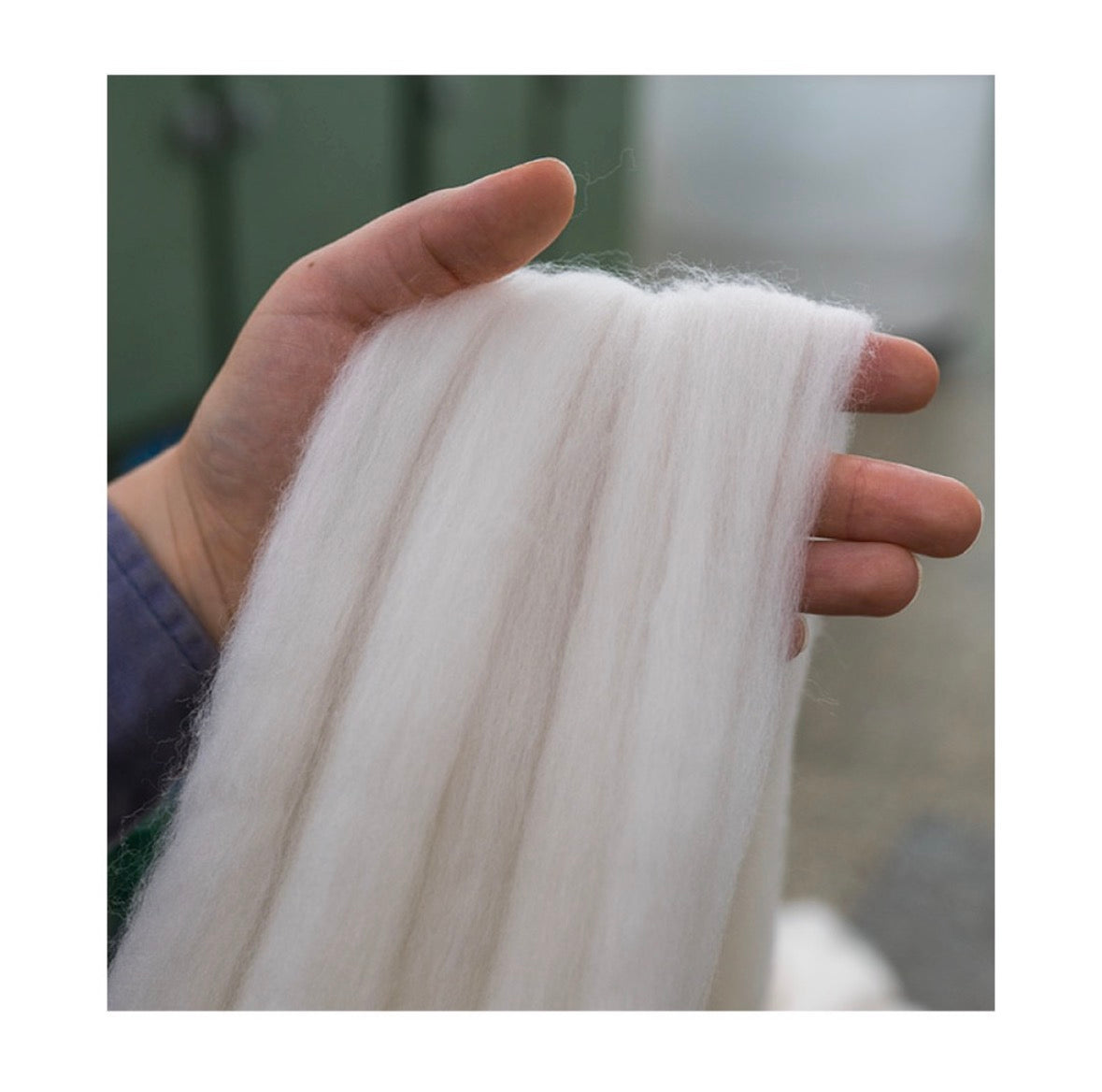
Merino wool is especially unique. Each fiber is naturally crimped, creating tiny pockets of air that help regulate temperature in both directions. When it’s warm, merino helps release heat. When it’s cool, it helps retain warmth.
Merino can also absorb moisture vapor before skin feels damp, helping the body stay dry without overheating. This is one reason it’s often used for sleepwear, base layers, and baby clothing.
Unlike many synthetic fabrics, merino wool is also naturally odor-resistant, which means it can be worn longer between washes and tends to stay softer over time.
For babies, these qualities matter even more. Their bodies regulate temperature differently than adults, and their skin is more sensitive to friction, heat, and trapped moisture. Natural fibers simply work in a way that feels more comfortable.
Not All "Natural" Fabrics Are The Same
As interest in natural materials grows, it’s important to know that not every fabric labeled natural is created the same way. Some fibers start as plants but require heavy chemical processing before they become fabric. Others are blended with synthetics, which changes how they behave on the skin.
At AU Baby, we focus on fibers that stay as close to their natural structure as possible, including NATIVA® regenerative merino wool and plant-based dyes that avoid harsh chemical finishes.
We also believe how a fiber is grown matters just as much as what it is. Regenerative wool comes from farms that prioritize soil health, animal welfare, and long-term sustainability, creating materials that are better for the environment and gentler for the families using them.
Natural fibers are not just about tradition. They are about choosing materials that make sense for the body, the planet, and everyday life.

Why More Parents Are Making The Switch
For many families, the move toward natural fibers isn’t about following a trend. It starts with small observations.
A baby sleeps better in certain fabrics.
Skin looks less irritated.
Clothing feels more comfortable across different temperatures.
Blankets stay softer, even after years of use.
Over time, those experiences add up.
Once you feel the difference, it’s hard to go back to materials that feel synthetic, stiff, or overly processed.
Natural fibers don’t make sleep perfect, and they don’t solve every problem. But they can make everyday moments feel more comfortable, especially during the seasons of life when comfort matters most.
A Return To What Works
The renewed interest in natural fibers isn’t a passing moment. It’s part of a larger shift toward paying attention to what we use every day and how those choices affect our health, our homes, and our environment.
At AU Baby, this belief has always been at the center of what we make.
We choose merino wool, plant-based dyes, and plastic-free materials because they work with the body, not against it. And when it comes to babies, sleep, and long nights, that difference matters. Because sometimes the best innovation is simply returning to what nature already designed well.
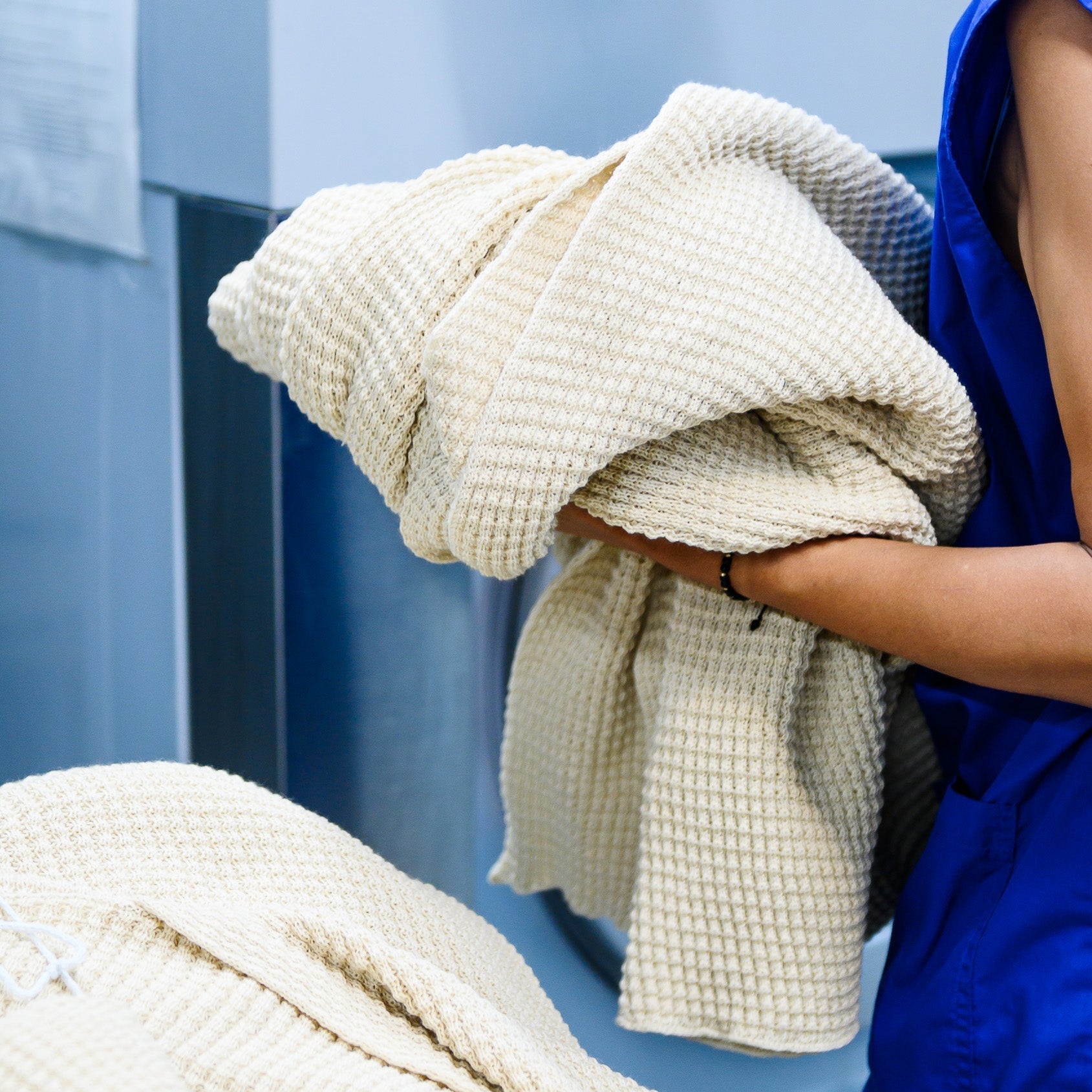
At AU Baby, we design blankets using regenerative merino wool and plant-based dyes to create natural fiber blankets that support better sleep and comfort for babies and families.


Comments