

Is Polyester Bad for You? What the Research Actually Says
For most of human history, the materials touching our bodies came from nature, foraged and spun from the world around us. Wool, linen, cotton, silk, hemp and other plant and animal fibers provided warmth and comfort from the elements. Polyester changed that remarkably recently, making the last 90 years a bit of a blip on the continuum of fiber options. Today, this petroleum-derived plastic accounts for more than half of global fiber production.
We wear polyester against our skin, exercise and sweat in it, sleep under it and wrap our babies in it. It fills our closets, bedding, rugs, upholstery and children's toys. Yet despite its extraordinary prevalence, we rarely stop to consider what it means to surround ourselves with plastic every day.
So, is polyester bad for you? We think there are good reasons to wear less of it. From the hidden chemistry of synthetic dyes and chemical finishes to the persistent microplastics released through everyday wear, emerging research raises important questions about how these materials interact with our bodies. Polyester can also behave very differently against the skin than natural fibers, creating conditions that may aggravate sensitive or eczema-prone skin. And consumers are rarely given a complete picture of the chemicals used to manufacture and finish the textiles they bring into their homes.
Perhaps the question isn't whether polyester has been definitively proven harmful, but why we've accepted plastic as the default for so much of what touches our bodies and fills our homes. What's common isn't always normal.
Polyester Is Plastic. How Did We Get Here?
Polyester's success isn't difficult to understand. It is inexpensive, strong, wrinkle resistant, quick drying and remarkably versatile. Manufacturers can turn it into fleece, satin-like fabric, activewear, rugs, upholstery and nearly anything in between.
Those chameleon-like characteristics transformed the textile industry into a playground of novelty, ease and cheap products. They also made plastic clothing feel completely ordinary in the span of just a few generations. As I mentioned on Shark Tank, as a society, we’re quite addicted to cheap, super soft synthetic fabrics. Look at the stuffed animal industry as an example of our obsession with instant gratification. Those adorable seasonal stuffies are difficult to resist, often marking ordinary outings and holidays, yet quickly accumulating into mountains of fluffy plastic inside our homes.
Conventional polyester begins with fossil-fuel-derived chemicals that are used to produce PET, the same class of polymer widely used in plastic products and packaging. Its durability is part of its appeal. A polyester fiber doesn't readily break down simply because it leaves the garment, which is also why synthetic microfiber pollution has become such a persistent environmental problem.
Natural fibers are fundamentally different materials, derived from two main groups: protein or cellulose. Wool and silk are produced by animals. Cotton and linen come from plants. Polyester is a manufactured synthetic polymer. We spent thousands of years clothing ourselves in biological materials. Dressing ourselves extensively in petroleum-derived plastic is a very recent experiment with little long-term data.
What Happens When You Wear Plastic Against Your Skin?
Our skin is our largest organ, and it’s constantly interacting with the materials we wear. Heat, humidity, sweat and friction all influence the environment against the body, and the fibers we choose can make a meaningful difference in what’s absorbed into this semi-permeable layer of protection.
Unlike natural fibers such as wool and cotton, polyester absorbs very little moisture. Despite sweat-wicking marketing claims, this can contribute to a warmer, more humid environment against the skin. For people with sensitive or eczema-prone skin, that combination of heat, trapped moisture and friction can aggravate irritation and discomfort.
Heat and sweat can also influence how chemicals in finished textiles migrate onto the skin and potentially enter the body. Research has shown that perspiration can increase the release and skin absorption of certain textile-associated chemicals, raising additional concerns about prolonged contact with chemically treated fabrics, particularly during exercise or sleep.
Research reinforces the importance of textile choice. Studies have found greater skin irritation from synthetic fabrics in people with eczema, along with differences in temperature, humidity and perceived wetness compared with more moisture-absorbing fibers. Choosing breathable, skin-friendly textiles is especially important for babies, children and those with sensitive skin. We've explored the relationship between natural fibers and sensitive skin in our guide to natural baby blankets.

Polyester Doesn't Stay in Your Clothes
One of the most overlooked consequences of synthetic textiles is that the plastic doesn't remain contained within the fabric. Everyday friction, abrasion, washing and drying release tiny fibers from clothing, blankets, rugs and upholstery. When those materials are made from polyester, the fibers being released are plastic, contributing to microplastic pollution not only outdoors, but inside our homes.
In fact, our indoor air can be surprisingly compromised by this type of persistent and invisible pollution. A 2026 review examining 57 studies of airborne microplastics found that fibers dominated indoor samples, with polyester among the most frequently identified polymers. Indoor concentrations were generally higher than outdoor levels, and synthetic textiles were identified among the factors associated with indoor microplastic pollution. Researchers estimated that people may inhale hundreds to thousands of airborne microplastic particles daily, although differences in measurement methods make precise exposure estimates difficult.
Airborne microplastics can be inhaled or settle into household dust, where they may eventually be ingested through contact with hands, food and everyday objects. Infants and young children are particularly vulnerable to these exposure pathways because they spend more time close to the floor, frequently put objects in their mouths and may experience greater exposure relative to their body weight. Plastic pollution isn't just an environmental problem affecting oceans and wildlife, it's increasingly part of the air and dust inside our homes. We also explored the environmental consequences in our wool versus polyester compost experiment.

The Hidden Chemistry of Everyday Textiles
We've become accustomed to studying ingredient lists on our food and skincare, yet we know surprisingly little about the textiles that surround us. A fabric label might tell us that a blanket, garment or upholstered sofa is made from 100% polyester, but reveals almost nothing about the dyes and chemical treatments used to make it. A fiber-content label, after all, is not an ingredient list and offers very little transparency into a product’s potential toxic load.
In her investigative book To Dye For, journalist Alden Wicker exposes the largely invisible chemistry of modern textiles, from disperse dyes that can trigger allergic reactions to PFAS, azo dyes and bisphenols associated with other health concerns. These chemicals may be used in clothing and household textiles to achieve particular colors, finishes or performance properties, yet consumers have little way of knowing which products contain them.
Research illustrates why consumers should care. Certain chemicals can migrate from textiles onto our skin, where they can be absorbed into the body, particularly when we sweat. A 2025 study of children's garments and household textiles detected PFAS in nearly 88% of samples and organophosphate esters in every sample. Water-repellent garments contained approximately three times the concentrations found in conventional performance textiles, while simulated sweat increased modeled dermal absorption of certain chemicals by up to thousands of times compared with dry contact. Laboratory tests also found that textile extracts reduced skin-cell viability.
Similarly, a 2023 study of 120 garments intended for pregnant women, newborns and toddlers detected BPA in every sample, with the highest concentrations found in polyester clothing. Organic cotton generally contained lower bisphenol levels than conventional cotton. Given that BPA is a known endocrine disrupter that’s already restricted in certain food-contact products, its presence in textiles worn directly against the skin deserves greater scrutiny and regulation.
We spend countless hours wearing, sleeping beneath and living among these materials, yet have remarkably little information about their chemical composition. Some textile-associated chemicals are known allergens while others have been linked to hormone disruption and reproductive toxicity. Consumers deserve greater transparency about the products they bring into their homes.

Inside our Italian dye house, where AU Baby's Heirloom Merino collection is colored using plant-based dyes.
Why Babies and Children May Be More Exposed
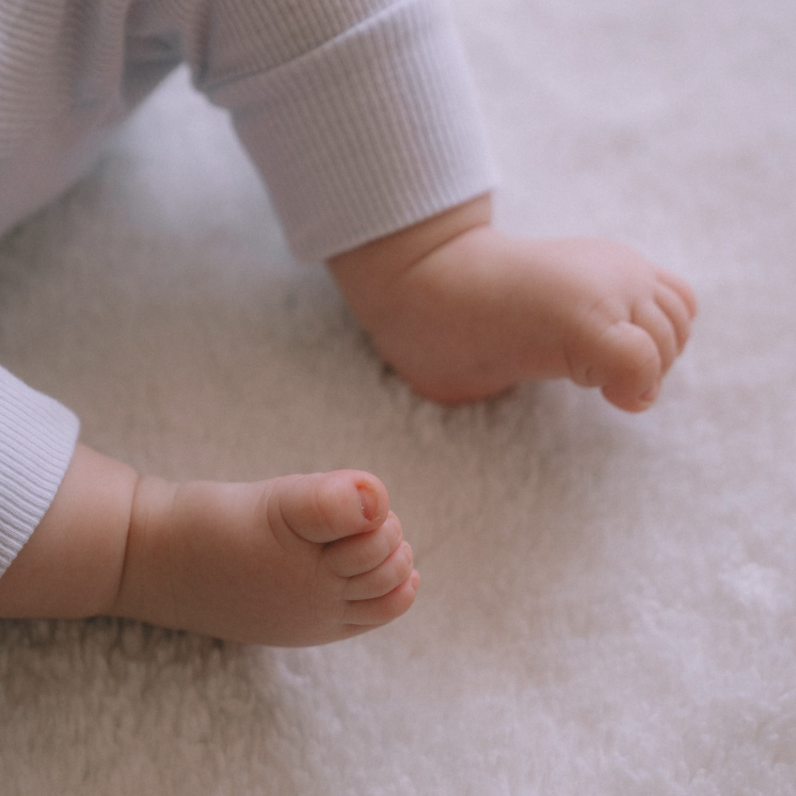
Babies have a particularly intimate relationship with textiles. They crawl close to the ground across rugs and carpets, chew on blankets and smoosh their faces into stuffed animals. Their frequent hand-to-mouth behavior and smaller body weight can also make environmental exposures proportionally greater than those experienced by adults.
A small 2021 study offers a shocking glimpse into this difference. Researchers measured PET and polycarbonate microplastics in stool samples from six infants and ten adults in New York State, finding median PET concentrations of 36,000 nanograms per gram in infants compared with 2,600 in adults—nearly fourteen times higher. Estimated daily PET exposure relative to body weight was also substantially higher among the infants studied.
The sample was tiny, and the researchers couldn't establish where the PET originated. Plastic packaging, household products and synthetic textiles are among many potential sources, so the results cannot be attributed specifically to polyester blankets or clothing. Nevertheless, the findings raise questions about the environments we create for children, particularly when so many of their everyday clothes and belongings are made from plastic.
We can't eliminate every synthetic material from childhood, nor do we need to approach our homes with that expectation. But choosing natural fibers for frequently handled and mouthed textiles is a practical place to begin. For a closer look at natural fibers for little ones, read why we choose merino for babies.
What Does the Research Say About Fertility and Long-Term Health?
One of the more unusual studies involving polyester dates back to 1992, when researcher Dr. Ahmed Shafik investigated the effects of prolonged contact between polyester and the male reproductive system. 14 fertile men wore specially designed polyester scrotal slings continuously for 12 months while researchers monitored semen characteristics, reproductive hormones and other physiological measurements. All 14 eventually became azoospermic, meaning sperm were no longer present in their semen, and sperm production returned after the slings were removed. Although we can’t assume the same effects would occur from wearing everyday polyester clothing, these findings raise major concerns about the relationship between synthetic textiles and reproductive health.
The research into microplastics and human health has become considerably more troubling in recent years. In 2024, scientists identified microplastics in all 23 human testicular tissue samples they examined. Researchers have also detected plastic particles in breast cancer tissue, with subsequent studies investigating their accumulation and potential biological effects. These are not places we would expect, or want, to find plastic.
And the concern goes beyond their presence. Laboratory studies have demonstrated that micro- and nano-plastics can disrupt cellular function, damage mitochondria, provoke inflammation and trigger apoptosis, the process of programmed cell death. No biggie, right? Research involving breast cancer cells has also identified mechanisms through which plastic particles can enter cells and damage their mitochondria. While scientists are still determining how these findings translate to everyday human exposure and disease risk, the evidence that plastic particles can interfere with biological processes is increasingly difficult to dismiss.
These findings don't establish that polyester clothing or blankets are responsible for the microplastics detected in human tissues. Exposure comes from multiple sources, including food, water and air. But when synthetic textiles are a known contributor to environmental microplastics, reducing our reliance on them is a reasonable place to start.
Where to Start If You Want to Use Less Polyester
Before panic clearing out your closet in an attempt to create a perfectly plastic-free home, consider contact, duration, heat and vulnerability when deciding which textiles to replace first.
Underwear and workout clothes spend considerable time against our skin, often in the presence of heat, friction and sweat. Pajamas, sheets and blankets accompany us through much of the night, while babies and young children spend hours in close contact with clothing, rugs, and blankets. These are sensible places to prioritize materials that are comfortable, breathable and made with greater transparency.
While some prefer going cold turkey with a massive closet cleanout, (in which case, we recommend recycling garments through Trashie) others might prefer a more measured approach. In that case, it’s totally fair to replace synthetics as they wear out. Look for alternatives made from wool, cotton, linen, hemp or silk, choosing the fiber that best suits the product's purpose. And remember that natural fiber content is only part of the equation. Third party certifications such as OEKOTEX and GOTS can provide more information on how the material was processed, whether it received additional chemical treatments and what the manufacturer can tell you about its sourcing and production.
Synthetics will continue to have useful applications, and this isn't about achieving some impossible standard of purity. It's about becoming more intentional with the materials we choose, especially in the places where plastic never needed to be our default.
Textile Wellness: Rethinking What We Bring into Our Homes
At AU Baby, we call the philosophy of considering how fabrics affect our health and home environment textile wellness. It’s about looking beyond how a fabric appears or feels to understand what it's made from, how it's processed and how it interacts with our bodies and living environments. It's a perspective that connects textile design with the broader conversation about creating a healthier, more intentional home. And in turn, a healthier life.
For us, that begins with natural fibers, particularly superfine merino wool, which we choose for its softness, moisture management and temperature-regulating properties. Research has also challenged the outdated assumption that all wool irritates sensitive skin. In a randomized crossover study involving infants with mild-to-moderate eczema, superfine merino clothing was associated with improved eczema severity scores compared with the cotton clothing used in the study. Fiber quality matters, and so does what happens to that fiber during manufacturing. That's why we care about traceable sourcing, thoughtful processing and plant-based coloration in our Heirloom Merino collection.
We don't believe a healthier home should become another exhausting wellness project, or that anyone needs more reasons to feel anxious about their surroundings. What we do believe is that people deserve better information about the materials they live with so they can make more empowered choices. Polyester's popularity is worth questioning, particularly when we consider its chemical processing, persistent microfiber shedding and the unanswered questions surrounding long-term exposure.

The Problem with Waiting for Perfect Proof
When it comes to environmental health, we often expect science to deliver a definitive verdict on individual products: safe or unsafe, harmful or harmless. Unfortunately, our daily lives are considerably more complicated. We're exposed to countless substances from different sources, and understanding their cumulative effects can take decades.
That doesn't give us license to turn uncertainty into frightening claims, but it shouldn't prevent us from making thoughtful, common-sense decisions either. This is where the precautionary principle offers a useful perspective. We don't need definitive proof that polyester causes disease to question its place in our homes. When a blanket made from petroleum-derived plastic can be replaced with one made from a natural, untreated protein fiber, we think choosing better materials is a choice worth making.
Frequently Asked Questions
Is polyester plastic?
Yes. Most polyester used in clothing and household textiles is polyethylene terephthalate (PET), a synthetic polymer commonly derived from petroleum.
Is polyester bad for your skin?
Polyester is plastic, and we have good reasons to question wearing it directly against our skin. Unlike natural fibers such as wool, polyester absorbs very little moisture into the fiber itself, which can contribute to heat, humidity and irritation, particularly for people with eczema or sensitive skin. Certain dyes and chemical finishes can also migrate from textiles during contact, especially when we sweat. Our skin is constantly interacting with the fabrics we wear, and we believe natural fibers are a better starting point for something that spends so much time against our bodies.
Does polyester shed microplastics?
Yes. Polyester textiles release synthetic microfibers through wear, abrasion and laundering. Polyester is also among the polymers identified in studies of indoor airborne microplastics.
Can chemicals from textiles be absorbed through your skin?
Yes. Certain chemicals used in textile dyes and finishes can migrate from fabric and be absorbed through the skin, particularly when we sweat. A 2025 study examining children's garments and household textiles found that perspiration increased modeled dermal absorption of certain PFAS and organophosphate esters by hundreds or even thousands of times compared with dry contact. Given how many hours we spend wearing, sleeping beneath and living among chemically treated fabrics, the potential for prolonged exposure deserves far more attention.
Is polyester bad for babies?
Babies may be particularly vulnerable to microplastic exposure. A 2021 study found nearly fourteen times higher median PET microplastic concentrations in infant stool than in adult samples. Babies also spend more time close to household dust, frequently mouth their blankets and toys, and experience greater exposure relative to their smaller body weight. Although that small study couldn't determine where the plastic originated, it raises important questions about the synthetic materials we routinely surround children with. Choosing natural fibers for blankets, bedding and clothing is one practical way to reduce their contact with plastic textiles.
Does polyester affect fertility or cause cancer?
Research has not established that wearing ordinary polyester clothing causes infertility or cancer. However, microplastics have been detected in human testicular and breast cancer tissues, while laboratory research has demonstrated cellular damage from certain micro- and nanoplastics. Scientists are still investigating what these findings mean for long-term human health.
Is recycled polyester better than virgin polyester?
Not necessarily, particularly when it comes to human exposure. Recycled polyester is often marketed as a sustainable alternative, but recycling doesn't eliminate the chemical concerns or microfiber shedding associated with synthetic textiles. A 2024 study found nearly twice the median BPA concentration in recycled textiles compared with conventional ones, while research published in 2026 found substantially greater microfiber shedding from polyester that had undergone multiple mechanical recycling cycles. Recycling may reduce demand for virgin petroleum, but it doesn't automatically produce a cleaner or safer textile. In some cases, it may introduce additional concerns.
What are the best alternatives to polyester?
Wool, cotton, linen, hemp and silk are natural-fiber alternatives, although the best choice depends on the product. For blankets and other textiles used close to the body, we particularly value superfine merino for its softness, moisture management and temperature-regulating properties.
Research & Further Reading
The following studies and reports informed this article. Research into microplastics and human health is ongoing, and findings from laboratory studies or small observational studies should not be interpreted as definitive evidence of disease risk from everyday polyester use.
Textile Exchange (2026). Materials Market Report 2026. Global fiber production data, including polyester's 59% market share.
Building and Environment (2026). Airborne Microplastics in Indoor Environments: Current Knowledge, Methodological Challenges, and Future Directions. A review of 57 observational studies examining indoor airborne microplastics and potential exposure pathways.
Li et al. (2025). Sweat-Amplified Dermal Transfer and Combined Toxicity of Per- and Polyfluoroalkyl Substances and Organophosphate Esters Mixtures in Children's Textiles. Research into chemical contamination, modeled dermal exposure and mixture toxicity in children's garments and household textiles.
Zhang et al. (2021). Occurrence of Polyethylene Terephthalate and Polycarbonate Microplastics in Infant and Adult Feces. A small study comparing PET and polycarbonate microplastic concentrations in infant and adult stool samples.
Shafik (1992). Contraceptive Efficacy of Polyester-Induced Azoospermia in Normal Men. An experimental study of prolonged polyester scrotal sling exposure in 14 men.
Toxicological Sciences (2024). Microplastic Presence in Dog and Human Testis and Its Potential Association with Sperm Count and Weights of Testis and Epididymis. Detection and characterization of microplastics in human and canine testicular tissue.
Tian et al. (2025). Microplastics Accumulated in Breast Cancer Patients Lead to Mitophagy via ANXA2-Mediated Endocytosis and IL-17 Signaling Pathway. Research examining microplastics in breast cancer tissue and mechanisms of mitochondrial damage.
Messina et al. (2026). Organ-Specific Apoptotic Pathways Induced by Micro- and Nanoplastics: A Systematic Review of In Vitro Toxicological Evidence. A systematic review of 80 laboratory studies investigating cellular toxicity and programmed cell death.
Su et al. (2017). Determining Effects of Superfine Sheep Wool in Infantile Eczema (DESSINE): A Randomized Paediatric Crossover Study. A clinical trial comparing superfine merino wool and cotton clothing in young children with atopic dermatitis.
Dermal exposure to bisphenols in pregnant women's and baby clothes: Risk characterization (2023)
Additional reading: Alden Wicker, To Dye For: How Toxic Fashion Is Making Us Sick—and How We Can Fight Back (2023).

Comments